
“Just One More Episode”: The Science Behind Your Netflix Binges
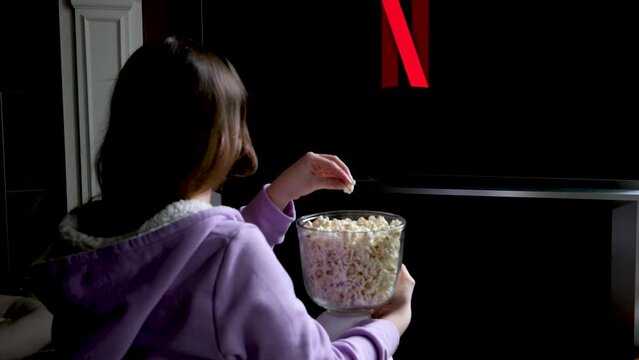
Let me guess: you sit down to watch one episode before bed… and suddenly it’s 2am, you’re five episodes in, and sleep is a faraway concept you don’t seem to remember.
Ever wonder what exactly is going on in your brain? Spoiler alert: it’s not just a lack of self-control and discipline - it’s biochemistry, algorithms, and psychology teaming up in ways that make binge-watching almost inevitable.
Every time you click on the shiny white “next episode” button, your brain gets a little hit of dopamine - the neurotransmitter that is associated with pleasure and reward. Engaging storylines and cliffhangers activate the brain’s reward system, creating a cycle of craving and satisfaction that we all fall victim to. In fact, it’s the same loop involved in gambling, social media scrolling, and even addiction.
The brain hates unfinished business, and this psychological phenomenon is called the Zeigarnik effect where we remember uncompleted or interrupted tasks better than completed ones. A cliffhanger taps directly into this response - we feel compelled to seek closure. That next episode? Your brain views it as necessary for emotional resolution. That season finale cliffhanger? Your brain is biologically wired to want to resolve it.
The sad truth is that streaming platforms love the Zeigarnik effect as it helps them trap binge-watchers such as you and I into watching episode after episode. The auto-play feature exploits our brain’s inertia, which is the natural tendency to continue what you’re doing unless interrupted. With only a short delay between episodes, our brain’s barely have the time to reconsider doing something that’s more productive than being a couch potato.
Moreover, Netflix’s recommendation algorithm uses machine learning to serve up shows tailored to our viewing habits, ensuring that we’re continuously offered with something we’re likely to binge. The platform’s design isn’t passive; it’s optimised to sustain our attention.
On top of that, at the end of a really long day, our brains are understandably exhausted. Making decisions requires energy, and this mental effort is known as cognitive load. Binge-watching simply removes that pressure since there’s no need to decide what to watch next, no ads to interrupt our flow, and no weekly schedule to call us back to real life. And the result is? Defaulting to the easiest choice, also known as, “just one more episode”.
Binge-watching also often stretches into late-night hours, when our body begins to release melatonin to wind down. However, the exposure to blue light from screens cleverly suppresses melatonin production, and delays our internal clock. Once combined with the mental stimulation from engaging content, it leads to circadian misalignment, which reduces sleep quality and increases fatigue for the next day. Ironically, this fatigue often leads to more screen time and less energy for active hobbies, reinforcing the binge cycle.
Understanding the neuroscience and behavioural psychology behind binge-watching helps us to make more intentional choices. Being aware of how platforms and our own brain chemistry interact helps us reclaim some control.
No one’s asking you to give up your favorite shows (I personally could never), but a little mindfulness can go a long way! Whether it’s setting an episode limit, turning off auto-play, or switching off a screen 30 minutes before bed, small shifts can help you protect your mental and physical health.
Because at the end of the day, we all deserve good sleep (and good storytelling).
Sources:
Binge Watching and the Netflix Addiction.
Netflix and the Zeigarnik Effect!
Netflix Research: Machine Learning
Scientific Study on Binge-Watching Behavior.
Journal of Consumer Research on Binge-Watching
Author: Saisha Arora