Personality Quiz: Which Part of the Brain Are You?
Here are the Questions:
Q1: Your ideal weekend plan is…
a) Planning your upcoming week and meal prepping
b) Journaling your feelings or watching a movie
c) Looking through old photo albums or meeting friends
d) Playing a sport, going for a walk, or dancing
e) Painting, scrapbooking, or designing your Pinterest board
Q2: Your friends describe you as…
a) Organised and reliable
b) Intense but empathetic
c) Sentimental and thoughtful
d) Chill and graceful
e) Creative and imaginative
Q3: Pick a vibe check quote:
a) “Let’s get our lives together.”
b) “I feel everything all at once.”
c) “Omg this reminds me of that one time in 6th grade…”
d) “Let’s go for a walk to clear our heads.”
e) “I saw it in a dream.”
Q4: You’re in a crisis. You…
a) Make a step-by-step plan to fix it
b) Cry for 5 minutes, then call your best friend
c) Reflect on a similar thing that happened before
d) Move your body or do something physical to cope
e) Channel it into art, music, or something creative
Q5: Which aesthetic speaks to your soul?
a) Neutral tones, clean lines, to-do lists
b) Moody lighting, tear-streaked poetry, messy notes
c) Polaroids, letters, vintage sweaters
d) Athleisure, fresh air, minimalist movement
e) Fairy lights, moodboards, dreamy visuals
Q6: Pick a brainy superpower:
a) Making tough decisions quickly and wisely
b) Sensing emotions and reading vibes instantly
c) Perfectly remembering names, details, and feelings
d) Moving smoothly and never tripping
e) Seeing aesthetic potential in everything
Results:
1. Prefrontal Cortex – The Planner
Organised, logical, and goal-oriented, youre the type to colour-code your notes, make aesthetic to-do lists, and remind your friends of birthdays and deadlines. Youre always 10 steps ahead, analysing situations before you jump in, making the pros/cons list. You’re rational, driven, and sort of the mom-friend.
Brain function: responsible for executive functions like decision-making, focus, logic, impulse control and long term planning. Its the “personality centre” of the brain, and is what makes us unique.
2. Amygdala – The Feelings One
You’re the empath of your group, and you feel DEEPLY. You’d probably tear up during a Disney movie, and have spot-on intuition. A little on the dramatic side, but always there to understand and empathise with people.
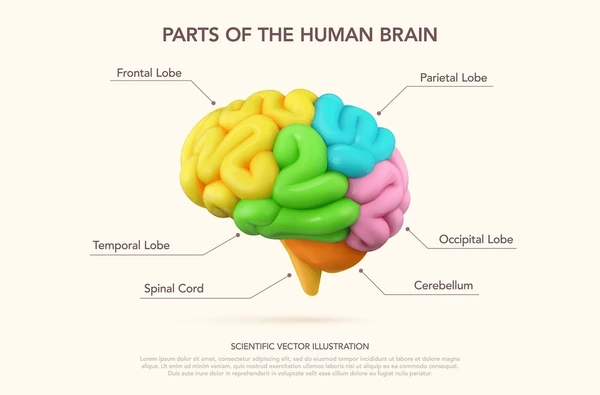
Brain function: the amygdala processes emotions such as fear, anger, and pleasure. It reacts to threats and emotional intensity, and is the “heart” of the brain.
3. Hippocampus – The Memory-Keeper
Nostalgic, observant, and king of a walking photo-album - you remember the exact song playing during a special moment, or what your friend wore the day you first met them. You’re the photographer of the group, remember everyone’s birthdays, and give the best gifts. You’re thoughtful, loyal, remember all the little details, and are probably really good at trivia.
Brain Function: The hippocampus is involved in long-term memory and learning. It helps you form, store, and recall memories. It helps you learn new things.
4. Cerebellum – The Balanced One
Graceful, balanced, and low-key athletic - you somehow never spill coffee while walking fast. Calm in a crisis, you’re somehow always relaxed, making hard things look easy. You’re also probably always 5 minutes early, and have the perfect posture.
Brain function: the cerebellum is the part of the brain that controls movement, posture, and coordination. It’s involved in motor learning, and fine-tunes your movements.
5. Occipital Lobe – The Visual Thinker
You probably add the keyword “aesthetic” to all your pinterest searches. You absolutely love pretty things, and are a very visual thinker, making every space you’re in more beautiful. You have an artists eye and are idealistic to a fault - a bit spaced out, but SO creative. Your notebooks probably have more doodles than notes, and your pinterest boards are perfection.
Brain Function: The occipital lobe processes everything you see — shapes, colours, motion, faces. It’s sent visual stimuli from your eyes through the optic nerve, and converts these into images, which is what you “see”.
Author: Amaira Goyal